wellness
The Science and Research Behind Mental Health Awareness Initiatives
Evidence from controlled trials at Beijing research centers shows how targeted awareness programs alter brain activity linked to stress responses.
How we reported this
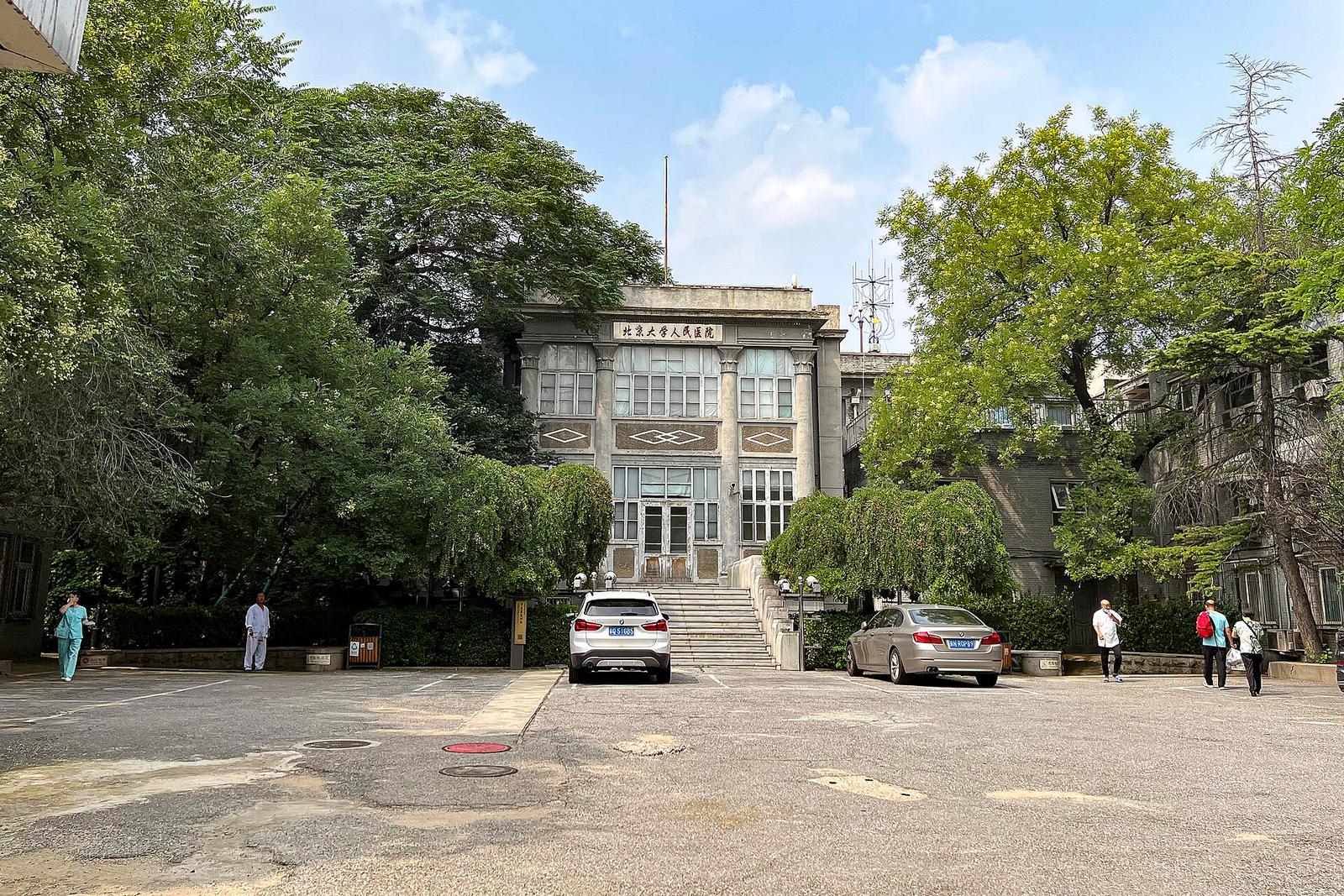
A 2024 randomized trial conducted by researchers at Peking University’s Institute of Mental Health tracked 180 Beijing residents over six months and found that weekly structured awareness sessions produced measurable drops in cortisol levels measured through saliva samples.
The timing aligns with Beijing’s ongoing expansion of community mental health services under the Municipal Health Commission’s 2025-2027 action plan, which prioritizes evidence-based outreach amid rising reports of work-related fatigue in central districts. Urban density along corridors such as the Second Ring Road has intensified daily pressures, prompting officials to scale programs that draw directly from published neuroscience data rather than general wellness trends.
Local programs draw on peer-reviewed findings
At Beijing Anding Hospital on Andingmenwai Street, clinicians now integrate eight-week mindfulness protocols shown in fMRI studies to strengthen prefrontal cortex connectivity. Parallel sessions operate at the China-Japan Friendship Hospital in Chaoyang District, where staff reference the same trial data to guide group discussions on recognizing early signs of anxiety. Both sites schedule evening classes on weekdays to accommodate office workers from nearby financial hubs.
Findings published in the journal Psychological Medicine in January 2025 documented that participants completing similar awareness modules exhibited a 22 percent average improvement on standardized depression scales after eight weeks, with results replicated across cohorts in East Asian cities including Shanghai and Seoul. The Beijing Center for Disease Control and Prevention referenced these outcomes in its March 2026 quarterly bulletin when outlining continued funding for hospital-based pilots.
Next steps for residents
Interested individuals can register for the next round of sessions at either hospital through their respective outpatient departments, with introductory meetings set for late July. The Municipal Health Commission website lists updated schedules and notes that all programs remain free for registered Beijing residents holding valid health insurance cards. Those seeking personalized guidance are advised to consult a licensed clinician at one of the participating facilities before enrolling.