community
Explore 500 Years of Chinese History Inside Beijing's Forbidden City
The former imperial palace offers visitors a direct look at five centuries of Chinese dynastic history through its preserved buildings and collections.
How we reported this
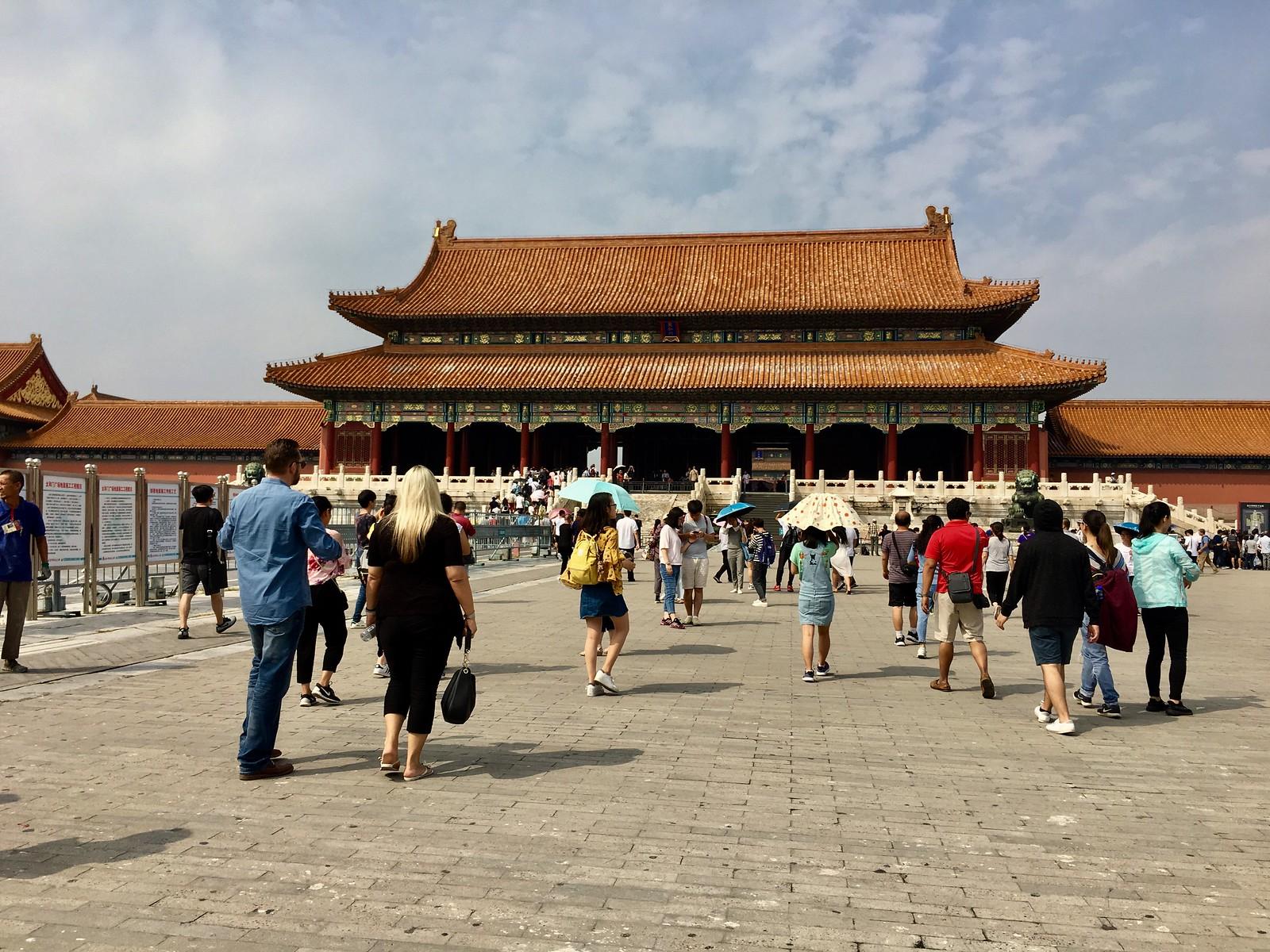
The Forbidden City served as the former imperial palace and winter residence of the Emperor of China from the Ming dynasty to the end of the Qing dynasty. It stood at the centre of Beijing as the seat of supreme power for over five centuries.
Imperial History in Central Beijing
This vast complex functioned as the political heart of successive dynasties. Its location in the heart of the capital made it the symbolic centre of authority across Ming and Qing rule. Visitors today walk the same grounds once reserved for emperors and their courts.
Architecture and Collections
The site features landscaped gardens alongside many buildings. Numerous rooms hold furniture and works of art that reflect daily imperial life and artistic traditions. These elements remain on display for public viewing.
Current Role as Palace Museum
The Forbidden City now houses the Palace Museum. The museum maintains the historic structures and displays the extensive holdings of furniture and art within the rooms. This conversion allows public access to spaces that once held exclusive imperial functions.
UNESCO World Heritage Status
UNESCO inscribed the Forbidden City as a World Heritage site. The designation recognises it as a priceless testimony to Chinese civilization during the Ming and Qing dynasties. This status underscores the site's ongoing value as a preserved record of dynastic governance and culture.
Plan visits around the central Beijing location to experience the full scale of the gardens and buildings. Allow time to explore multiple sections of the Palace Museum to view the rooms and their contents at a measured pace.