Technology
Beijing's Tech Boom: 35% of National Funding Fuels Fierce Competition
The city's third-place global ranking and 35 percent share of national venture funding sit alongside a crowded job market that favors onsite roles and specialized skills.
How we reported this
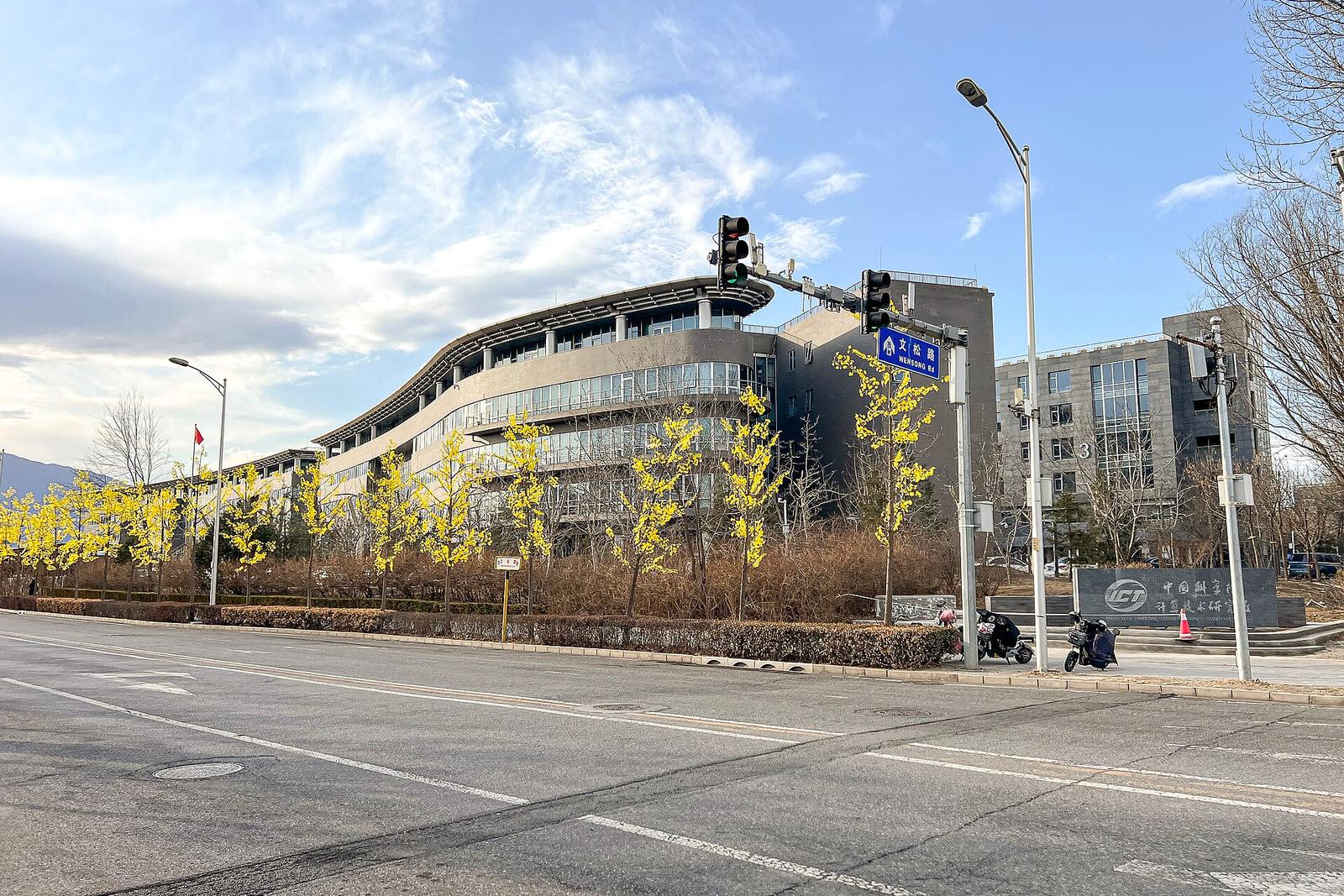
Beijing holds the third spot among global innovation hubs for four straight years while accounting for 35 percent of China's venture funding. The city also posts R&D investment growth above 6 percent each year since 2019, the highest among Chinese cities. These figures rest on clusters such as Zhongguancun Science and Technology Park, which hosts more than 1,000 AI-focused companies and labs from Baidu, Microsoft, and Didi.
Established clusters and new sites
Zhongguancun remains the core, yet activity now spreads to Sanlitun, Guomao, and a youth startup hub along the subway line that links universities to the central business district. That corridor already supports 316 AI and cultural innovation enterprises. The city counts 63 tech unicorns, among them ByteDance, Baidu, Xiaomi, and JD.com, out of China's 151 total unicorns recorded in 2018.
Current listings show more than 2,400 open computer and IT positions, with 217 posted today on platforms including BeBee and Boss直聘. Major employers advertise roles at Microsoft China in Haidian district, SAP's ten AI and solution positions, Amazon's corporate office, and Hitachi Energy. Salaries range from 10,000 to 20,000 yuan yearly for creative posts and 15,000 to 25,000 yuan for technical marketing, with internships paying 300 to 500 yuan per day at well-funded firms.
Workplace realities and skill requirements
Most positions require full-time onsite attendance, and remote options stay limited. Candidates face a dense local talent pool, so specialized expertise becomes essential for standing out. Job searches work best through Boss直聘 and 脉脉, while LinkedIn draws little response for local tech openings.
These conditions accompany rapid AI expansion and steady funding inflows. The combination prompts questions about work-life balance, data practices at the many labs, and how smaller teams compete for the same talent. Job seekers can review daily postings on the main Chinese platforms and prepare for onsite interviews at firms in Haidian and the central business district.