property
What Renters Can Do When Leases End Amid Tight Supply
Beijing's renters face uncertainty as leases expire and affordable options dwindle, with average rents in Chaoyang District reaching 12,000 yuan per month.
How we reported this
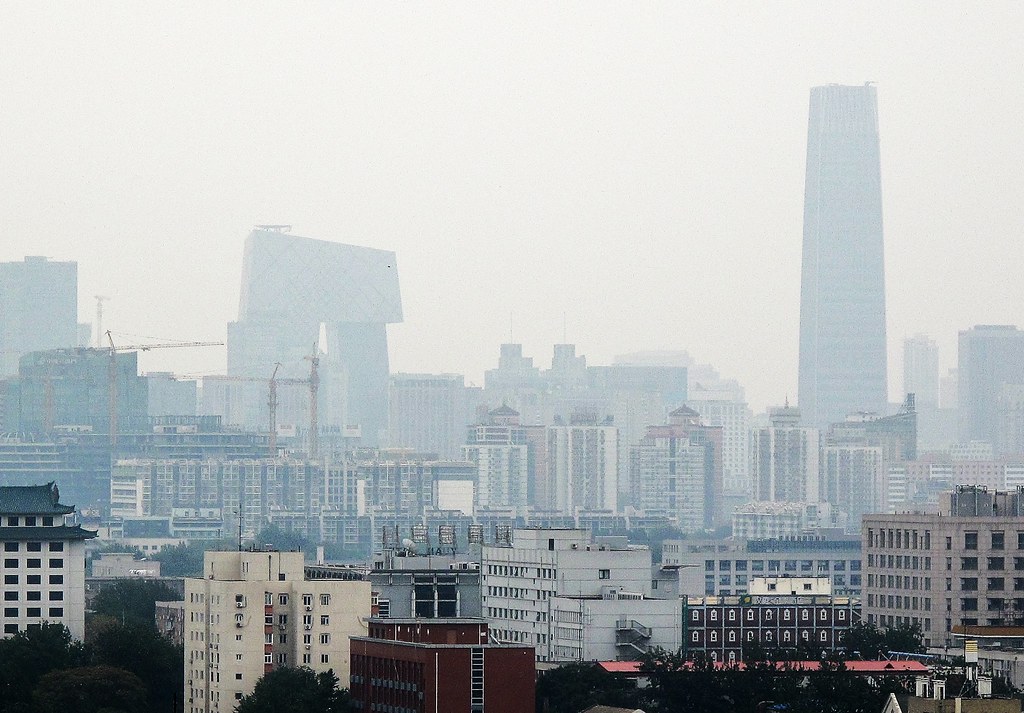
Over 200,000 rental leases are set to expire in Beijing's major districts by the end of July, leaving many renters scrambling to find new affordable housing options in a market where supply is dwindling and prices are soaring.
This matters now because Beijing's dynamic real estate market has seen a significant shift in recent years, with more residents opting to rent rather than buy due to high property prices. The current tight supply of rental properties has led to a surge in rents, making it difficult for renters to find affordable options. According to data from the Beijing Housing Authority, the average rent in the city has increased by 15% in the past year alone, with some districts seeing even higher jumps.
In areas like Wangjing and Lize, popular among young professionals and families, renters are facing stiff competition for limited spots. The Beijing Municipal Commission of Housing and Urban-Rural Development has launched initiatives to increase the supply of affordable housing, including the renovation of old residential buildings in neighborhoods like Xicheng and Dongcheng. However, these efforts have yet to make a significant dent in the market, and renters are still struggling to find affordable options. Organisations like the Beijing Real Estate Association and the China Academy of Urban Planning and Design are working to address the issue, but solutions are slow to materialize.
Market Trends and Data
Statistics from the Beijing Statistics Bureau show that the average rent for a one-bedroom apartment in Chaoyang District has reached 12,000 yuan per month, while in Haidian District, it's around 10,000 yuan. In contrast, the average monthly salary for a white-collar worker in Beijing is approximately 8,000 yuan, making it increasingly difficult for individuals to afford rent on their own. As of June 2026, the vacancy rate for rental properties in Beijing stood at 1.2%, indicating an extremely tight market. With over 70% of renters in Beijing opting for short-term leases of one to two years, the pressure to find new housing is constant.
So, what can renters do when their leases end amid this tight supply? Experts advise starting the search for a new rental property at least three months in advance to increase the chances of finding an affordable option. Renters can also consider looking into less popular neighborhoods or older buildings, where rents might be lower. Additionally, the Beijing government has introduced programs like the 'Public Rental Housing' initiative, which provides subsidized housing for low-income families and individuals. While these programs have limited spots available, they can be a viable option for those who qualify. As the rental market in Beijing continues to evolve, renters must remain vigilant and proactive in their search for affordable housing.
This article is general information only and is not personal financial or investment advice. Consider your own circumstances and seek licensed professional advice before making financial decisions.