Politics
Beijing Evaluates 2016-2035 Master Plan, Advances Urban Renewal Rules
Beijing residents may see changes in neighborhood development and project timelines as the city evaluates its 2016-2035 Master Plan and applies new urban renewal rules.
How we reported this
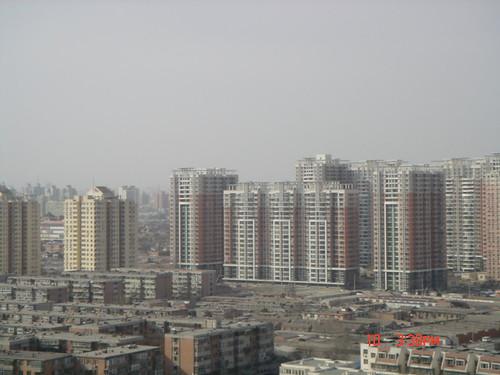
Beijing is conducting an assessment of the second phase (2021-2025) implementation of its Master Plan (2016-2035) during 2026. The review focuses on improving the city's planning system and execution mechanisms, according to official policy documents. This process applies to decisions on land use and urban development across the capital.
Critical decisions concerning planning of the capital must be submitted to the CPC Central Committee for approval. The city has taken measures to rectify planning problems to uphold the authority of its urban plans. These steps occur alongside implementation of the Regulations on Urban Renewal, which include fiscal and financial policy incentives.
Streamlined Approvals and Mixed-Use Development
Planning approvals for land use have been streamlined through a neighborhood regulatory plan plus regional assessment pilot, direct admission, and a notification-commitment system. The measures aim to reduce time costs for investment and construction projects. The city is encouraging mixed-use land development to create cluster-based neighborhoods for work, life, and services.
The Beijing Central Axis, spanning Dongcheng, Xicheng, Chaoyang, and Fengtai districts, operates under a multi-level planning system. This includes the Conservation and Management Plan for Beijing Central Axis (2022-2035), which addresses protection of historical infrastructure. Residents in these districts may encounter ongoing adjustments to local development patterns tied to these frameworks.
Implications for Daily Life and Household Costs
Urban renewal efforts and approval streamlining connect to how residents access services and housing options in cluster neighborhoods. Reduced time for project approvals could influence the pace at which new mixed-use developments become available. This process may affect household budgets through changes in local commuting distances or service availability, as projects move from planning to execution under the current regulations.
The government projects that these planning tools will support more integrated neighborhoods. Further steps involve continued assessment of the Master Plan phase and application of the renewal regulations across relevant districts. Official sources outline these mechanisms without specifying exact timelines for individual projects.