Politics
Beijing Implements Strict 2026 Air Plan: Heavy Industry, EVs, Construction Restricted
A new Air Quality Action Plan targets stalled pollution progress with stricter controls on industry, vehicle emissions, and seasonal construction bans that will reshape daily life for Beijing residents.
How we reported this
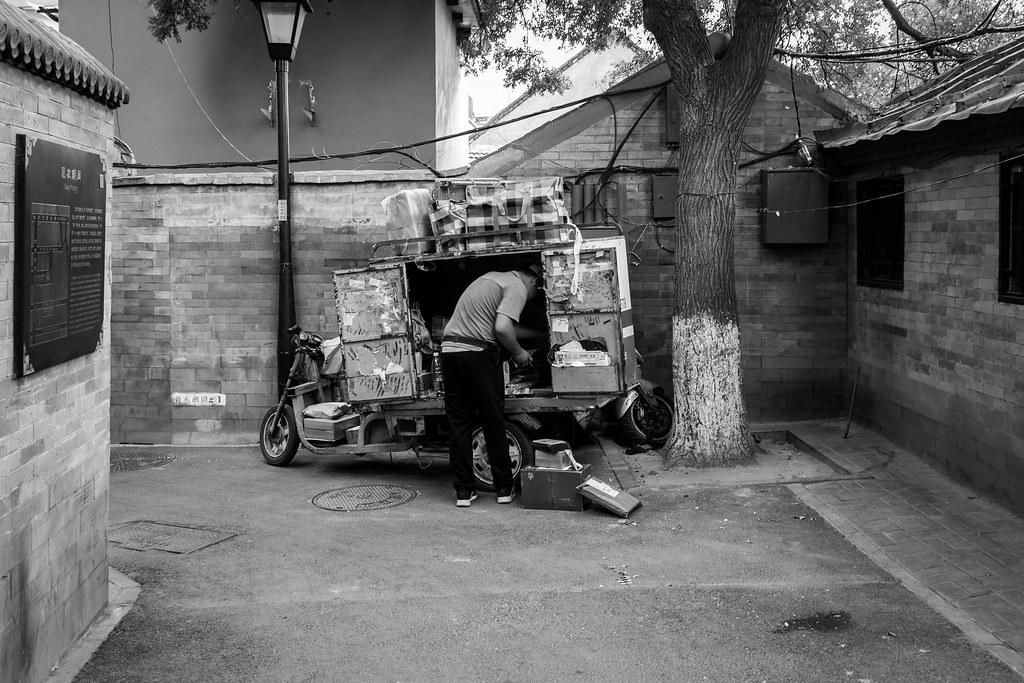
Beijing is rolling out significantly tougher regulations on heavy industry and used electric-vehicle battery disposal as part of a new Air Quality Action Plan, responding to a period during which air-pollution progress has stalled, according to policy documents published by the municipal government [1]. The plan, detailed in a release from the Beijing Foreign Affairs Office, is the city's latest effort to address persistent pollution levels that have not been improving at the pace of prior years.
Seasonal Construction Ban and Vehicle Restrictions
For Beijing residents and businesses, one of the most immediate changes is a suspension of construction work that generates dust, including demolition and outdoor earthwork, from November 15 to March 15 each year-a period that coincides with the winter heating season [2]. The rules also impose new bans on spraying and painting activities even during blue-level air pollution alerts, which are the lowest tier of the city's pollution warning system [2]. The government says the seasonal measure aims to cut airborne particulate matter from the city's many active building sites during months when atmospheric conditions are often less conducive to dispersing pollution.
Vehicle owners will also face new restrictions. Starting February 15, high-emission vehicles that fail to meet National Emission Standard III are banned from Beijing's fifth ring road on weekdays [3]. Violators in that zone face fines of 100 yuan for every four hours of contravention, according to the policy [3]. This rule, reported by the Straits Times, expands previous vehicle restrictions by targeting older diesel trucks and buses that still circulate within the city's core, affecting tens of thousands of freight and commercial vehicles that service the capital each day.
National Legal Framework Intensifies
These local rules sit under a broader national regulatory push. A new regulation on ecological environment monitoring, promulgated by China's State Council, took effect on January 1, 2026, establishing unified monitoring standards intended to improve data consistency across the nation's air-quality measurement network [4]. Going further, China's National People's Congress on March 12, 2026, adopted the landmark Ecological and Environmental Code, a comprehensive statute that replaces 10 existing environmental laws and for the first time addresses microplastics and perfluoroalkyl and polyfluoroalkyl substances, known as 'forever chemicals' [5]. The combined effect for Beijing residents is a regulatory framework that is both broader and more strictly enforced than at any point over the last decade, touching everything from the air in residential neighbourhoods near ring-road freight corridors to the waste stream from the city's growing fleet of electric cars.
The broader action plan-still being finalised by municipal authorities-is expected to tighten controls on heavy industry, including steel and cement manufacturing that supply construction and manufacturing across the region, while also setting new rules for the disposal and recycling of used EV batteries, a growing pollution risk as Beijing's huge electric-vehicle fleet ages [1]. The city's detailed implementation timeline for these remaining elements is not yet public, but officials have indicated that companies and residents can expect rigorous enforcement as Beijing works to regain momentum in its fight against air pollution.
References Sourced but Not Limited to:
- wb.beijing.gov.cn · Others 1
- english.www.gov.cn · Content WS69b36ae1c6d00ca5f9a09d90
- straitstimes.com · Beijing adopts tougher set of protocols to deal with air pollution
- english.beijing.gov.cn · Reports
- caixinglobal.com · Beijing prepares new air quality action plan as pollution reduction...
- english.www.gov.cn · Content WS690c6a30c6d00ca5f9a0760a