Politics
Beijing Expands Community Health Centers, Cuts Hospital Wait Times
New funding and staffing rules mean residents in outlying districts will have faster access to basic medical services without traveling to hospitals.
How we reported this
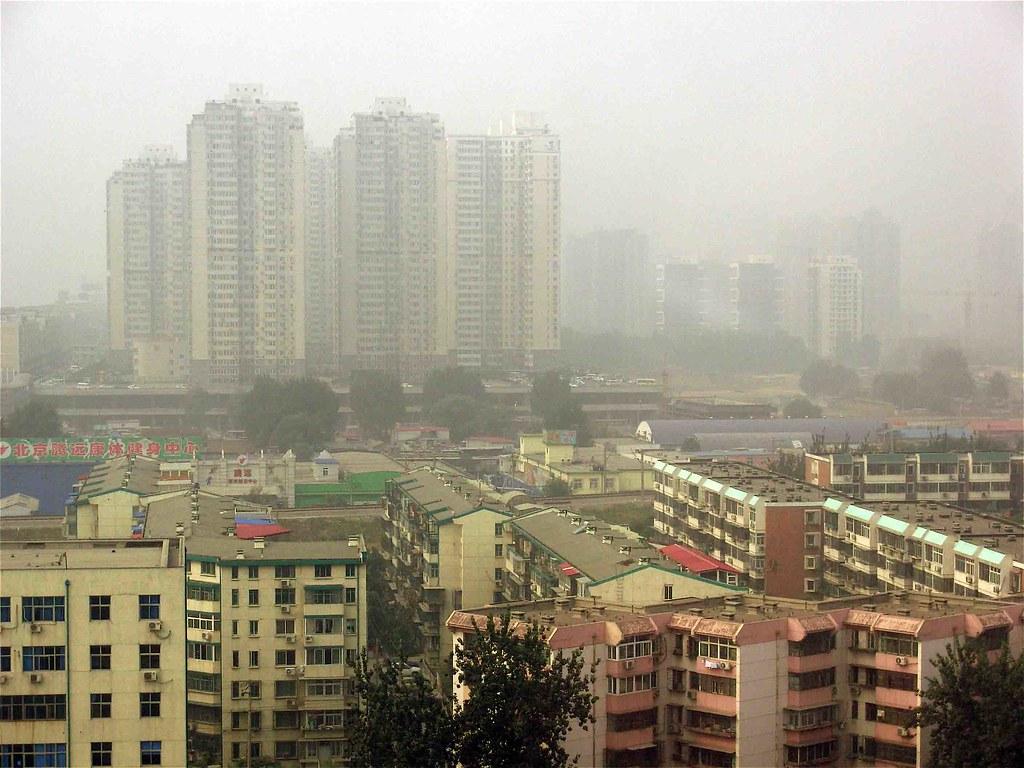
Beijing's municipal health commission announced changes to community health center operations this month that will alter how millions of residents access routine medical care. The policy expands staffing at 329 community health centers across the city's 16 districts and directs additional funding toward outpatient services, reducing reliance on hospital emergency departments for non-critical cases.
The shift reflects a broader effort to address overcrowding at major hospitals in central Beijing. Chaoyang District Hospital and Beijing Hospital have reported 30 to 40 percent increases in emergency department volume over the past three years, with many patients seeking treatment for conditions treatable at community clinics. Administrators and local health advocates say routing these cases to neighborhood centers will improve wait times for both urgent and routine care. The policy applies across all 16 districts, including high-density urban areas like Dongcheng and Xichuan as well as outer districts including Yanqing and Daxing.
Staffing Changes and Service Expansion
The new rules require each community health center to employ at least one full-time physician and one nurse for every 3,000 residents in their service area. Previously the ratio was one physician per 5,000 residents. Beijing's municipal budget for 2026 allocated 1.2 billion yuan specifically for hiring and training 800 additional doctors and nurses at these centers by year-end. Community centers in Chaoyang, Haidian, and Fengtai districts will receive priority hiring support given their larger populations.
Hours of operation are also changing. Starting August 1, all community health centers must remain open until 8 p.m. on weekdays and offer Saturday clinics, compared to the current 5 p.m. closing time and limited weekend access at most facilities. These clinics will now handle chronic disease management, vaccination programs, maternal health screenings, and basic wound care without requiring hospital referrals. Residents in residential compounds across districts like Shunyi and Tongzhou will no longer need to travel 20 to 30 minutes to reach urgent-care services for minor ailments.
What This Means for Daily Medical Access
For Beijing families, the changes should reduce out-of-pocket costs. Community health center visits cost between 30 and 50 yuan for a basic consultation, while a hospital emergency department visit averages 300 to 500 yuan even before treatment. Residents with chronic conditions like hypertension or diabetes will be able to obtain prescription refills and monitoring at their neighborhood center rather than scheduling appointments at tertiary hospitals. Parents seeking vaccinations for children or women requiring prenatal care will have expanded options in their own districts.
The policy also establishes a prescription continuity system. Starting September, doctors at community centers can issue prescriptions for common medications that pharmacies across Beijing will fill, breaking down barriers that previously forced patients to use specific hospital pharmacies. This applies to treatments for conditions including diabetes, hypertension, respiratory infections, and gastric disorders. Elderly residents in districts including Mentougou and Huairou, where hospital access is geographically dispersed, stand to benefit most from shorter travel times.
Data from Shanghai's similar primary care expansion in 2023 showed that community clinic visits increased 45 percent within two years of implementing extended hours and increased staffing. Beijing health officials say they project comparable growth once the new staffing is in place. The city's health commission expects the policy to shift approximately 15 to 20 percent of non-emergency hospital visits to community centers within 18 months.
Implementation begins August 1 in downtown districts and rolls out to outer districts by December 31. The municipal health commission will release a district-by-district hiring schedule next week. Residents can check their local community health center's phone number on Beijing's official health portal to confirm updated hours and services.