news
Beijing pursues structural reform targets through 2027, OECD analysis reveals
New figures outline the trajectory for national growth, sector shifts, and structural reform targets through 2027.
How we reported this
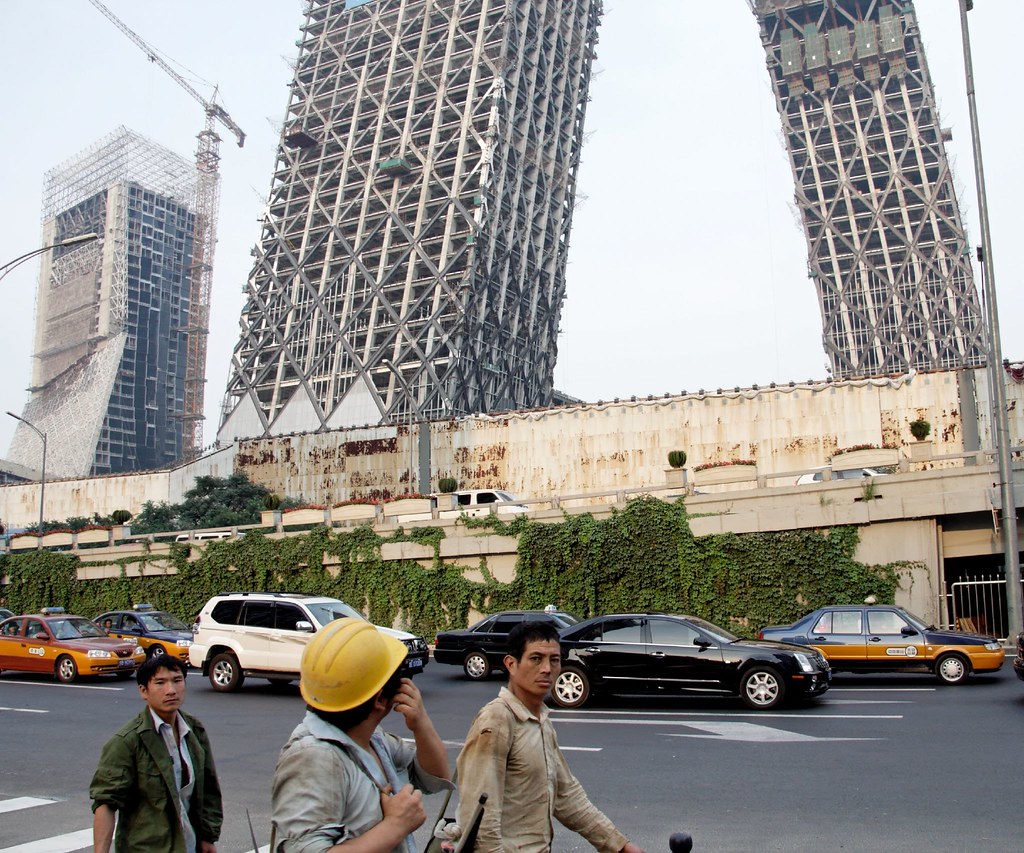
As mid-year assessments of the national economic outlook emerge, recent data provided by the OECD offers a detailed view of the trajectory for growth, inflation, and structural reform. According to the economic projections, the national economy is expected to see a gradual slowing, with growth reaching 4.5% in 2026 and 4.3% in 2027. These figures underscore the transition the economy is navigating as it matures and addresses long-term structural challenges.
Understanding the Growth Forecasts and Sector Trends
The current economic environment is shaped by a complex interplay of internal and external factors. While exports are anticipated to gain support from reduced US tariffs and increased competitiveness within higher-tech sectors, domestic consumption faces headwinds. The OECD report identifies high precautionary savings as a limiting factor on household spending, though policy interventions are expected to provide some relief. Meanwhile, the real estate market is projected to continue its ongoing contraction, characterized by declining prices.
Business investment is also feeling the impact of the anti-involution campaign, although this is being partially offset by infrastructure investment, which remains heavily driven by large-scale mega projects. For those monitoring the broader energy landscape, the outlook notes that while energy use remains high and the nation maintains import dependencies, the risks associated with global oil price increases are being mitigated by a combination of increased renewable energy reliance, the strategic use of abundant reserves, and more cost-effective sourcing strategies.
Foundations for Long-Term Competitiveness
Beyond immediate growth figures, the focus has shifted toward fundamental reforms that support long-term competitiveness. Analysis from the OECD’s Foundations for Growth and Competitiveness reports indicates that although GDP per capita has risen steadily toward the level of more advanced economies, the country continues to navigate the implications of an aging population. With the working-age population having declined for over a decade, future growth is increasingly dependent on capital accumulation and total factor productivity.
Policy efforts are currently centered on these structural reforms, which aim to lift growth potential while ensuring a managed convergence toward the economic standards of the world's most advanced nations. These measures are designed to mitigate the long-term impact of unfavorable demographic trends, particularly in rural areas where significant underemployment remains a priority for policymakers. Monetary policy continues to play a supportive role, with interest rates maintained at low levels and the potential for further adjustments to interest rates or required reserve rates kept open as a tool to navigate future shifts in global demand and energy market stability.
Produced with AI assistance and reviewed against our editorial standards. Sources are linked where available. Spotted an error or need a correction? Contact corrections@dailynetwork.news.