news
Beijing's Millions of Vehicles Drive Persistent Traffic Congestion and Policy Responses
Millions of motor vehicles have built up over time, leading to extended daily congestion that shaped the restrictions and infrastructure responses now in place.
How we reported this
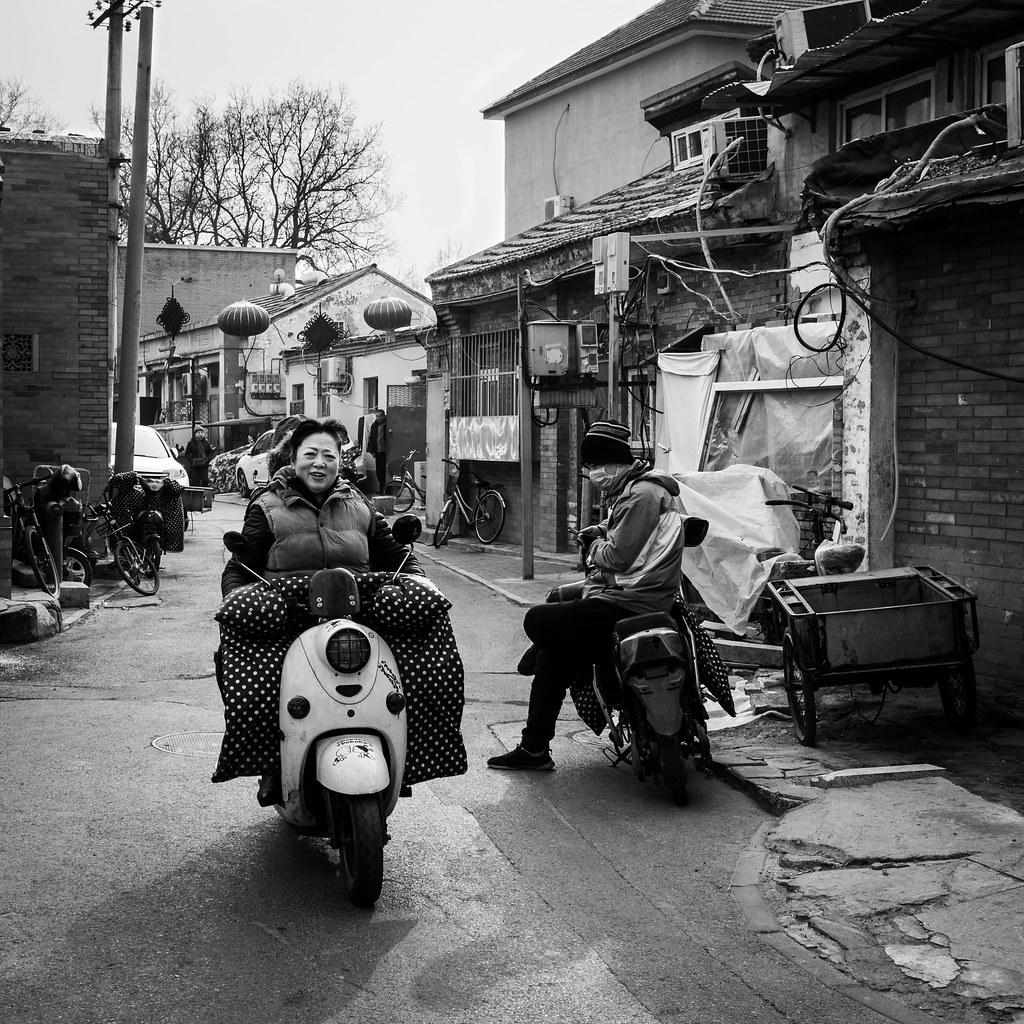
Beijing contends with 7.1 million motor vehicles, producing average weekday congestion that lasts 100 minutes and reduces peak speeds to 10-15 mph on many roads.
The buildup of vehicles created persistent delays during rush hours, prompting officials to introduce measures aimed at limiting road use inside the 5th Ring Road between 7:00 and 20:00 on weekdays.
License Plate Rules and Their Origins
License plate restrictions based on the last digit now ban certain vehicles on specific weekdays, such as plates ending in 2 and 7 on Monday, to spread out demand across the week. These rules emerged as a direct response to the volume of private cars and the resulting gridlock on ring roads that often extends beyond morning and evening peaks.
Subway Expansion as an Alternative
The city operates 29 subway lines, the largest network in the world, which became the main option for commuters once road speeds slowed. Rush-hour windows from 6:30 to 9:00 and 16:00 to 19:00 see the heaviest subway use because surface traffic frequently stalls during those periods.
The 2025 Comprehensive Traffic Management Action Plan
Officials outlined 32 tasks under the 2025 Comprehensive Traffic Management Action Plan to address ongoing issues, including opening extensions on Subway Lines 17 and 6, adding 35,000 parking spaces in central areas, and constructing 11.36 km of non-motorized lanes. The plan also supports more than 1,500 regular bus lines that run from 5:00 to 23:00 and the Beijing Transport mobile app for route planning.
Residents can reduce exposure to peak delays by using the subway during the stated rush hours or checking the official app before travel. The combination of restrictions and expanded transit options continues to guide daily movement patterns across the city.