news
Beijing’s Economic Milestone: What Surpassing 5 Trillion Yuan Means for Residents
Crossing the 5-trillion-yuan GDP mark reflects new economic realities in Beijing, shaping jobs, incomes, and daily life for its citizens.
How we reported this
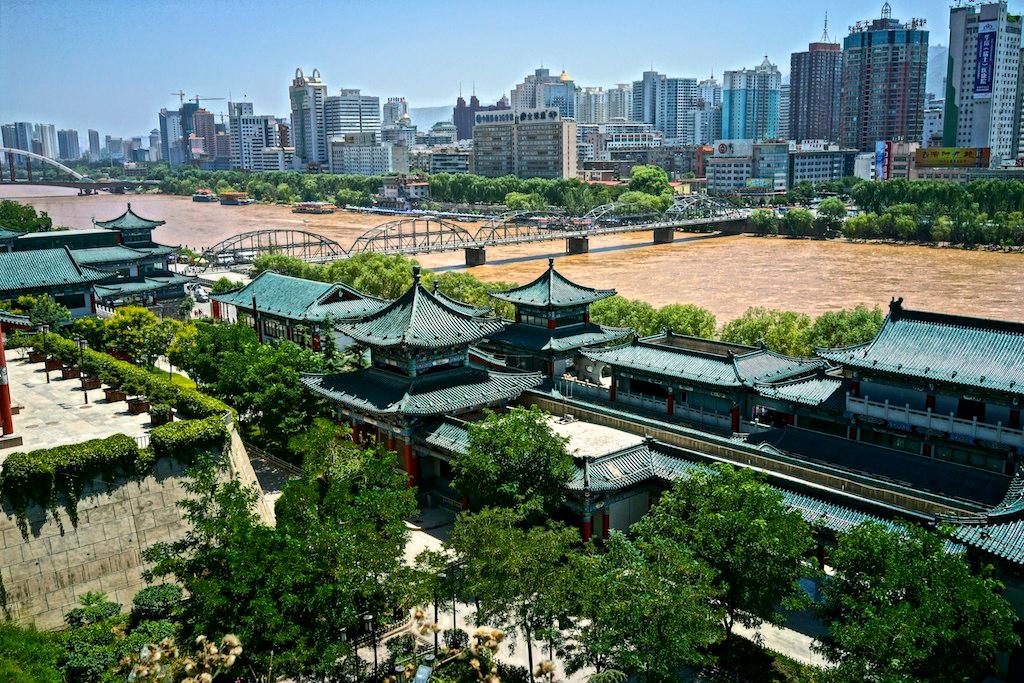
Beijing’s Gross Regional Product (GRP) hit 5.207 trillion yuan in 2025, growing 5.4% year-on-year and marking the first time the capital city has surpassed the 5-trillion-yuan threshold. This achievement places Beijing as the second Chinese city, after Shanghai, to exceed this economic milestone, according to official data released this year [1][2].
But why does this economic milestone matter now? For Beijing’s 22 million residents, the headline GDP figure signals shifts in how the city’s economy supports jobs, public services, and living standards. It also underscores the expanding role of technology and services in daily economic life, driving new opportunities but also evolving challenges.
The Service Economy at the Core of Growth
The dominant driver of Beijing’s economy remains its service sector, accounting for roughly 86% of GDP with a total of 4.478 trillion yuan in added value and growth of 5.8% in 2025 [2]. Key industries such as software and information technology services expanded by 11%, while financial services added 866.8 billion yuan with 8.7% growth [2]. This means many new jobs and career paths are emerging in areas centred on innovation, finance, and digital technologies.
Moreover, the digital economy now makes up over 40% of Beijing’s GDP [5]. This illustrates the deepening integration of digital platforms, cloud computing, and IT infrastructure into the city’s economic fabric, affecting how residents work, shop, communicate, and access public services.
Manufacturing sectors tied to high technology also contributed to growth, with computer and electronics manufacturing up 20.2% and new energy vehicle production skyrocketing by 140% year-on-year [2]. Though Beijing’s economy is service-heavy, these figures show that advanced manufacturing remains a vital piece of the puzzle.
Household Impact: Income and Employment Stability
The economic expansion has shown some tangible gains for households. Per capita disposable income rose by 4.3% in 2025, reaching 89,090 yuan [3]. This steady increase supports better living standards in a city where the cost of living continues to rise.
Despite economic shifts, the urban unemployment rate remained stable at 4.1% in 2025 [3], well within the government’s growth and employment targets. This suggests that job creation, particularly in dynamic sectors like IT and finance, has kept pace with the supply of workers.
Additionally, fixed asset investment, reflecting spending on infrastructure and business facilities, climbed 5.5%, underpinning long-term growth [4]. Yet, consumer prices stayed stable, with the Consumer Price Index (CPI) decreasing slightly by 0.1% [4], indicating no major inflationary pressure is eroding purchasing power for everyday goods and services.
Importantly, Beijing also maintains the nation’s lowest energy consumption and carbon emissions per unit of GDP [5], highlighting efforts to balance economic expansion with environmental sustainability, which ultimately affects quality of life and health for residents.
These figures come amid Beijing’s 2026 GRP growth target of approximately 5%, aiming to outpace national averages while keeping unemployment below 5% [1][3].
What This Means for Beijing Residents Going Forward
Residents should anticipate continued growth in sectors like software, finance, and green technology, which will likely provide expanding job opportunities. The stability in unemployment and steady income gains suggest Beijing’s economic model continues to support livelihoods effectively, though the city must manage increasing costs of urban living.
Moreover, as digital economy activities expand, Beijingers will see increasing reliance on advanced technology in everyday life-whether through digital services, e-commerce, or smarter urban infrastructure. The government’s investment in fixed assets points to ongoing urban development, infrastructure upgrades, and possibly improved public amenities.
Given the emphasis on environmental efficiency, community health and sustainability initiatives are likely to advance, influencing local policies and lifestyle options over the coming years.
In summary, crossing the 5-trillion-yuan GDP mark highlights a robust, digitally driven and service-oriented economy that is translating into rising incomes and stable employment for Beijing’s urban population while maintaining environmental priorities-a combination shaping the city’s socio-economic landscape in 2026 and beyond.