lifestyle
Beihai Park: Beijing's Imperial Lakeside Garden
Residents who visit regularly point to the park's year-round access and historic layout as reasons to plan thoughtful trips to this site northwest of the Forbidden City.
Listen in English · 3 min
How we reported this
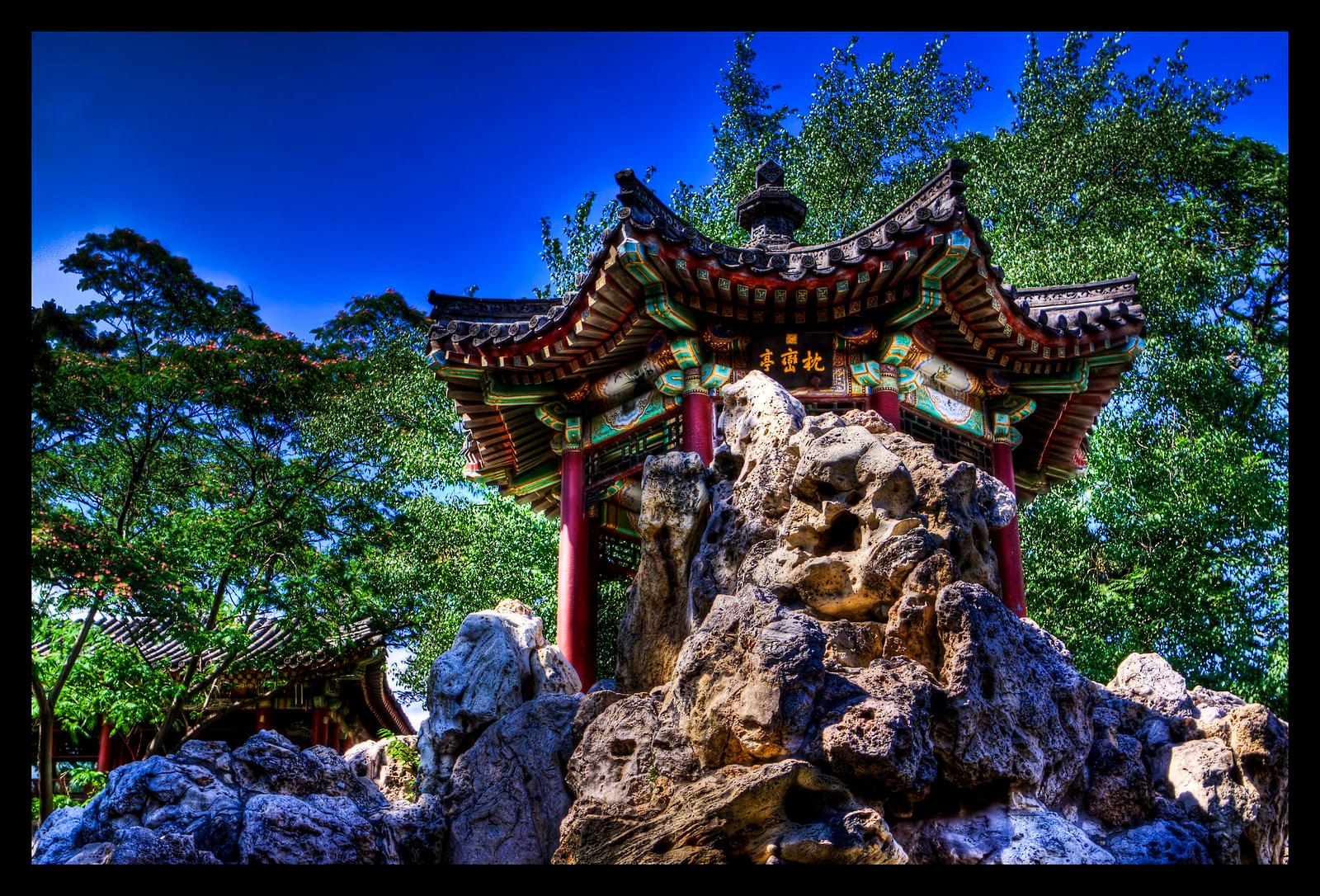
Beihai Park sits immediately northwest of the Forbidden City as a public park and former imperial garden first built in the 12th century.
Understanding the Park's Scale and Access
The garden ranks among the largest surviving Chinese gardens and has remained open to the public since 1925. Locals note that this long-standing public access makes it a reliable option for repeated visits without needing special permissions. The park stays open all year, allowing residents to return across seasons rather than treating it as a one-time stop.
Focusing on the White Dagoba and Jade Flower Island
Daily visitors often start at the landmark White Dagoba, a stupa that stands on Jade Flower Island. This feature draws people because it serves as the central point in the park's design. Locals recommend walking the paths around the island first to take in the stupa before exploring other areas, keeping the route logical and less tiring on warmer days.
Appreciating the Imitation of Jiangnan Scenery
The park follows the classic imperial garden approach of imitating renowned scenic spots from regions such as Jiangnan. Residents who come often suggest pausing at different viewpoints to notice these borrowed elements rather than rushing through. This method turns a single visit into a slower, more repeatable experience that highlights the intentional layout.
Practical Advice for Regular Visits
Because the park has been public for nearly a century, locals treat it as an everyday green space rather than a formal tourist site. They advise entering through gates near the Forbidden City side to reach the main features quickly and leaving time to sit by the water. The year-round opening means no need to check seasonal closures, though early mornings remain popular for quieter paths.
These approaches keep the focus on the garden's historic elements without added complications. Residents continue to use the space this way because the core features, including the White Dagoba and the overall design, stay consistent.