culture
Beijing's 3,000-Year History Shapes Modern City Through Ancient Capitals
Beijing's capital history reaches back more than 3,000 years and continues to shape the city through preserved sites from multiple dynasties.
How we reported this
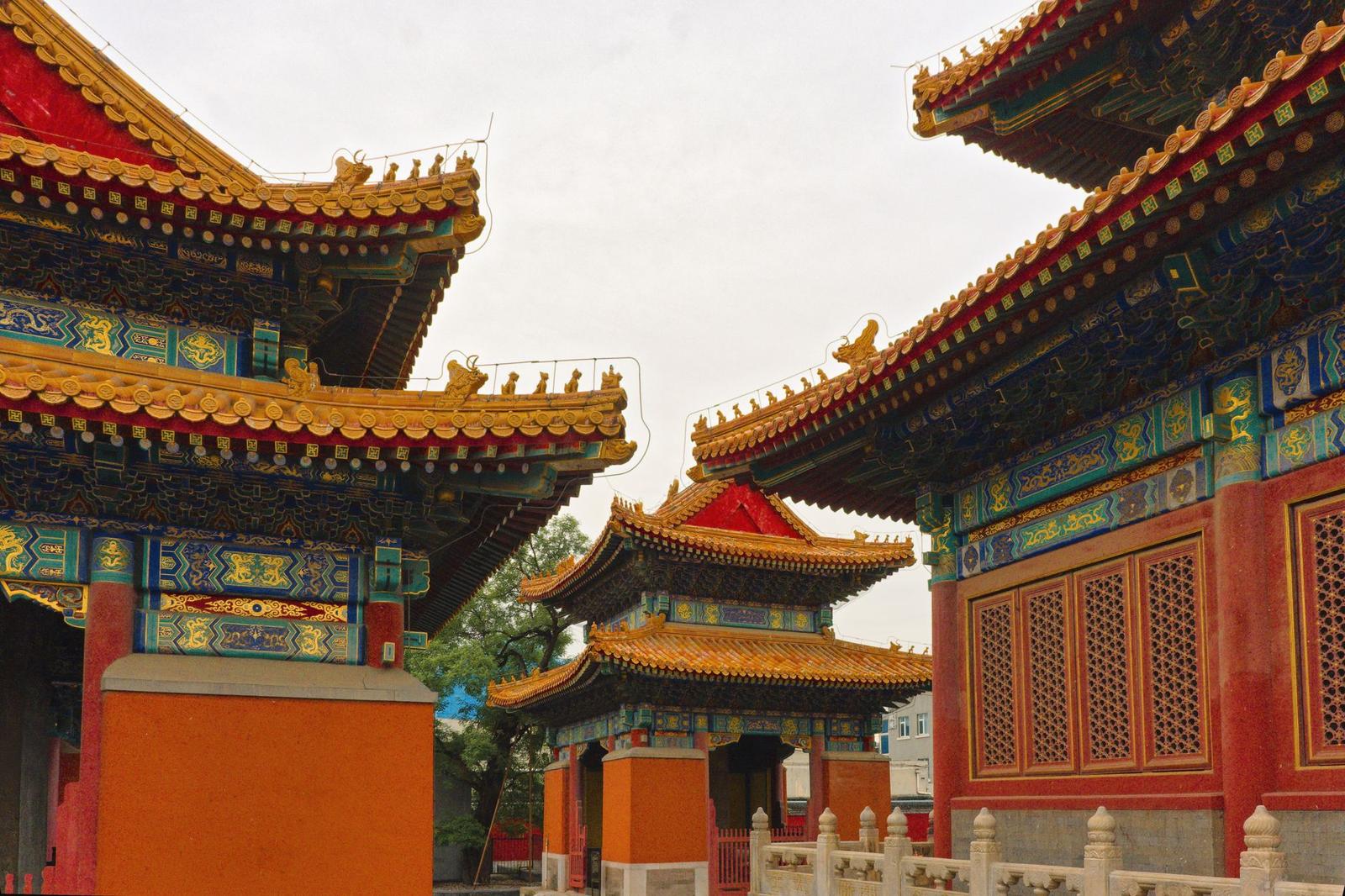
Beijing's history as a capital city stretches back over 3,000 years, with the first walled city, Ji, established around the present Guang'anmen area in the 11th century BC.
Early Capital Foundations
The first walled city of Ji marked the start of Beijing's role as a political centre. This settlement near Guang'anmen set the pattern for later urban planning that still influences the layout of the city today.
Renaming Under the Yongle Emperor
The Yongle Emperor renamed the city Beijing, or Northern Capital, in 1403. This step established it as the capital of the Ming Dynasty and later the Qing Dynasty, shifting focus northward from previous southern capitals.
The Central Axis as Urban Meridian
The city's 7.8-kilometer Central Axis has served as the urban meridian since the Yuan Dynasty. It includes key structures from the Yuan, Ming, and Qing dynasties and is currently seeking UNESCO World Heritage status.
Hutong Alleyways and Daily Life
Beijing's winding hutong alleyways reveal a local way of life traceable over 800 years, with some historic neighborhoods dating back to the Yuan dynasty from 1271 to 1368. These narrow lanes preserve residential patterns that developed alongside the capital's growth.
Forbidden City and Imperial Legacy
The Forbidden City, built in the early Ming Dynasty on the foundations of the Mongol capital Dadu, housed 24 emperors from 1420 to 1911 and became a UNESCO Heritage Site in 1987. Its construction on earlier Mongol foundations shows how successive rulers adapted the same central location for imperial power.
These layers of development remain visible in the preserved streets, axis alignment, and palace complexes that define central Beijing. Visitors can explore the sites to trace the progression from the 11th century BC settlement through the 1403 renaming and into later dynastic expansions.